
Immediate Steps for Mold Discovery: Your Guide to Safe and Effective Mold Cleanup
Finding mold in your home can be unsettling, but acting quickly and wisely can significantly reduce damage and health risks. If you’re wondering, “What should I do right away when I find mold in my house?” this guide provides clear, step-by-step instructions—from spotting it to bringing in the pros. You’ll learn how to identify visible mold and musty smells, contain spores, know when to call experts, document damage for insurance, safeguard your family’s health, prevent mold from returning, and take advantage of Mold and Restoration Experts’ complimentary inspections and round-the-clock emergency cleanup services. By implementing these effective strategies, you will safeguard both your property and your well-being. Furthermore, you will be equipped with the knowledge of when and how to seek professional mold inspection and remediation services.
What Are the First Signs and Types of Mold to Identify in Your Home?
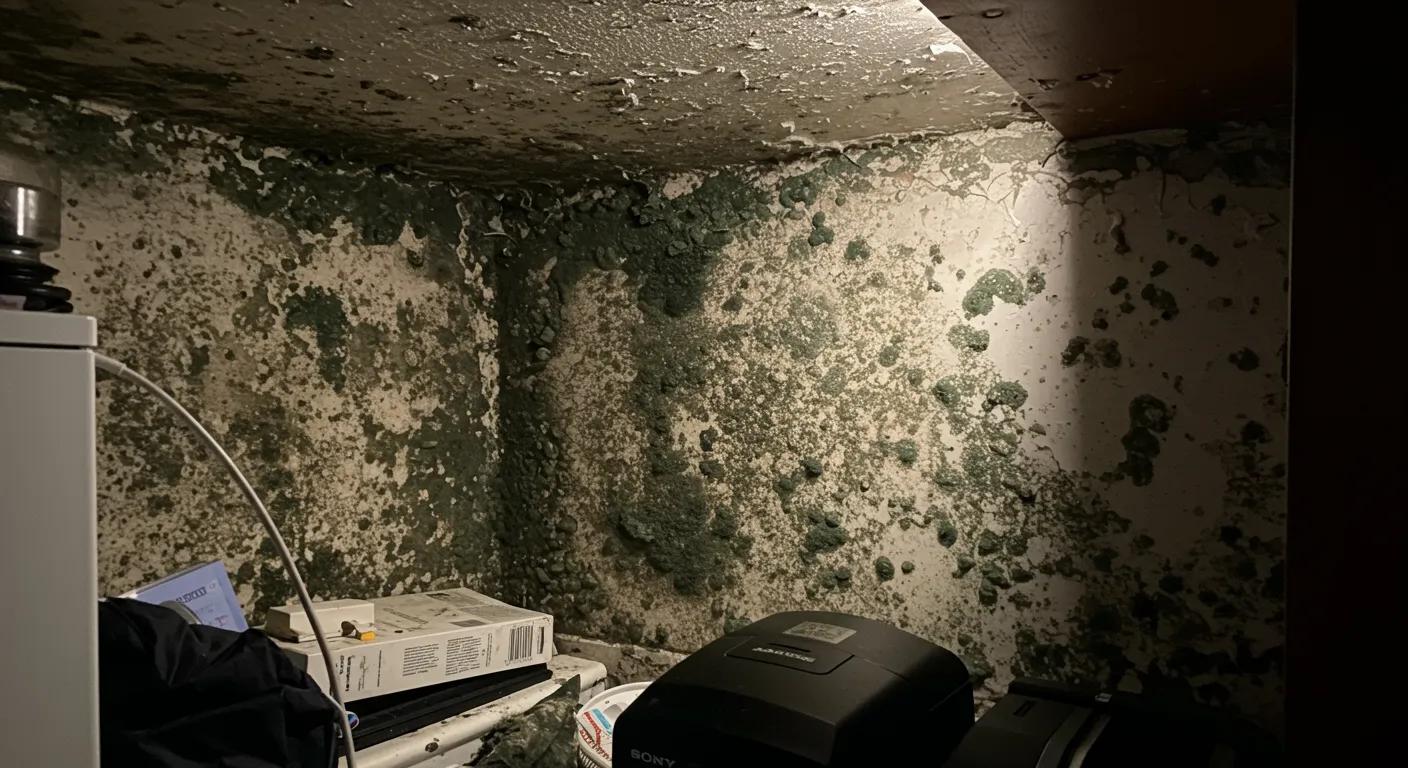
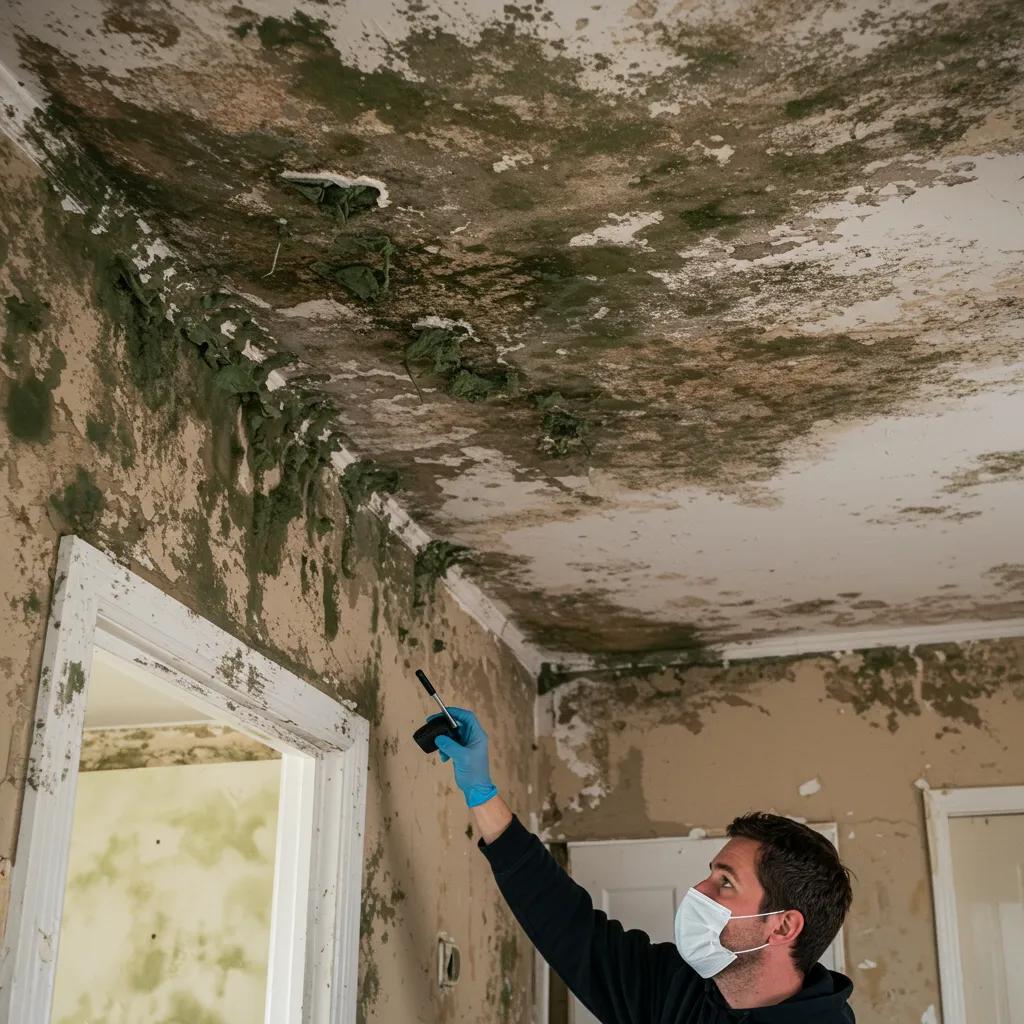
Catching mold early means noticing discoloration on surfaces and detecting persistent musty odors, which helps you address microbial growth before it spreads. You might see fuzzy patches in shades of green, black, or white, or you might notice a damp, earthy smell coming from behind walls. Recognizing these signs helps prevent structural damage and reduces your exposure to mold spores that can harm your indoor air quality.
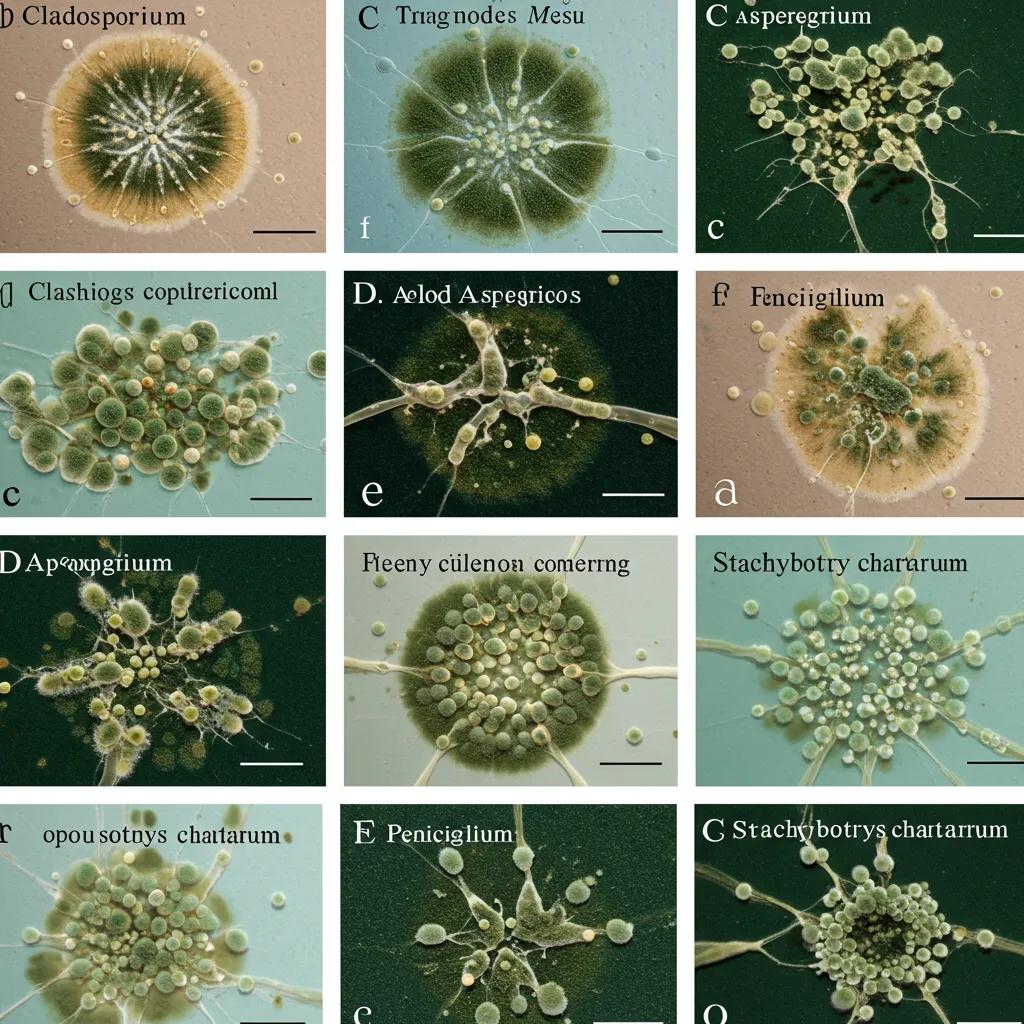
Here’s a look at common mold varieties, what they look like, and their potential risks:
| Mold Type | Appearance | Risk Level |
|---|---|---|
| Cladosporium | Olive-green or brown fuzzy spots | Moderate (can cause allergic reactions) |
| Aspergillus | Yellow, green, or black powdery patches | High (can lead to respiratory problems) |
| Penicillium | Blue or green velvety colonies | Moderate (can cause allergies and produce toxins) |
| Stachybotrys chartarum | Dark black, slimy patches (“black mold”) | Severe (produces toxic mycotoxins) |
This table helps you understand which types of mold require immediate attention and which you might be able to monitor. Knowing the common types will help you spot growth and decide when to test or call for professional help.
How Can You Visually Recognize Mold Growth and Musty Odors?
To visually identify mold, look for specific textures, colors, and locations. Keep an eye out for:
- Patches of fuzzy spores on walls, ceilings, or under carpets
- Discoloration rings around plumbing fixtures or windows
- Water stains that turn into dark spots within 24–48 hours
- Paint that’s peeling or materials that are warping
A persistent musty smell often indicates hidden mold growth in basements or behind drywall. Check near HVAC vents or crawl spaces—if you detect a damp, earthy scent, mold spores might already be spreading. Spotting mold early and noticing odors allows you to contain it before it takes over larger areas.
What Are the Common Types of Mold Found in Homes, Including Black Mold?
Exposure to different mold species can cause various health effects, so knowing what you’re dealing with helps you respond effectively. Cladosporium likes damp fabrics, Penicillium can grow on wallpaper and insulation, and Aspergillus often infests HVAC systems. Black mold (Stachybotrys chartarum) is particularly hazardous because it produces mycotoxins and often appears as dark, slimy patches on materials like paper and wood.
Understanding where each type of mold tends to grow and what it looks like can prevent misidentification. For instance, black mold thrives in consistently damp conditions, so any dark, sludge-like growth near a leak should be addressed immediately. Correctly identifying the mold type will help you determine if you can handle it yourself or if you need professional cleanup.
Now that you know how to spot and identify mold, you’ll want to learn how DIY testing compares to professional mold assessments for accurately assessing contamination levels.
How Do DIY Mold Testing and Professional Inspections Differ?
DIY mold test kits typically involve surface swabs or air-sampling devices that you send to a lab for basic species identification and concentration estimates. They can be a cost-effective way to get initial information, but they might miss hidden mold or provide results that are difficult to interpret without expert knowledge. Professional inspections involve a thorough visual examination, moisture mapping, air and surface sampling, and the use of infrared cameras to find mold hidden within walls or under floors.
A certified mold inspector from Mold and Restoration Experts uses specialized tools like moisture meters and thermal imaging cameras to pinpoint damp areas, collect accurate samples, and provide a detailed report with recommended cleanup steps. While DIY testing can offer a preliminary idea, a certified inspection ensures a complete evaluation, a clear understanding of the problem’s scope, and a customized plan for removal—all crucial steps before safe cleanup can begin.
Understanding when professional mold assessment is necessary leads us to the immediate safety and containment actions you can take right now.
What Immediate Safety and Containment Actions Should You Take After Discovering Mold?
Taking immediate steps to contain the mold will reduce the spread of spores and protect the people in your home. Once you find mold, seal off the affected area by closing doors and covering any openings with plastic sheeting. This helps prevent mold from spreading to other parts of your home. Limiting airflow also stops spores from traveling through your HVAC system, which lowers your exposure risk.
Here are the containment steps to take in your home:
| Containment Step | Purpose | Key Consideration |
|---|---|---|
| Seal Entry Points | Keeps spores from spreading | Use strong plastic sheeting and tape |
| Shut Down HVAC | Prevents airborne spread | Ensure filters are in place and intact |
| Create Negative Pressure | Pulls air inward, away from unaffected areas | Position an exhaust fan in a window |
| Remove Affected Materials | Gets rid of major sources of spores | Always wear protective gear |
Implementing these steps will help stop mold from spreading and prepare the area for safe ventilation and cleanup.
How Do You Isolate the Affected Area to Prevent Mold Spread?
Start by closing interior doors and sealing any gaps around them with painter’s tape and plastic sheeting. Cover air vents and registers to prevent spores from entering your ductwork. Place a portable exhaust fan near a window to create negative pressure, which pulls air out of the room and away from hallways. This isolation keeps the mold growth contained in one zone, making subsequent ventilation and cleanup safer. Once the area is sealed, you can turn off your HVAC system without worrying about spreading spores further.
When and Why Should You Turn Off HVAC Systems?
Shutting down your HVAC system stops mold spores from circulating through your air ducts, which prevents them from spreading throughout your house. If mold is found inside your ductwork or near vents, running the system will distribute spores everywhere. Turning off your heating or cooling system prevents widespread contamination and helps maintain your indoor air quality until professionals can inspect and clean the HVAC components.
After shutting down the HVAC, you can proceed to ventilate the area safely using windows or exhaust fans to exchange the air without relying on the central system.
What Personal Protective Equipment (PPE) Is Recommended for Safety?
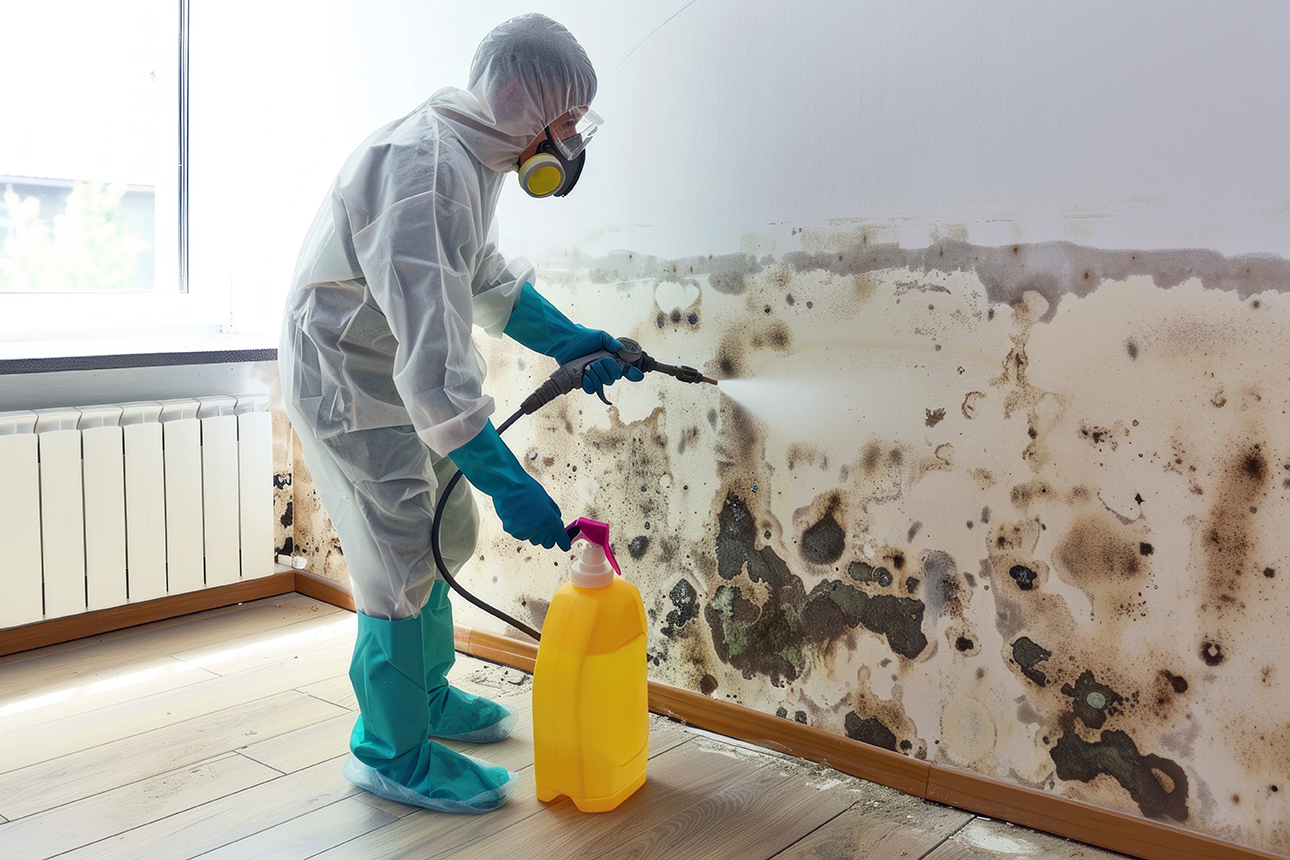
Wearing personal protective equipment is essential to shield yourself from inhaling mold spores and from skin contact. Key items include:
- An N95 or higher-rated respirator to filter airborne spores
- Disposable gloves (nitrile or latex) to prevent direct contact
- Goggles without ventilation holes to protect your eyes
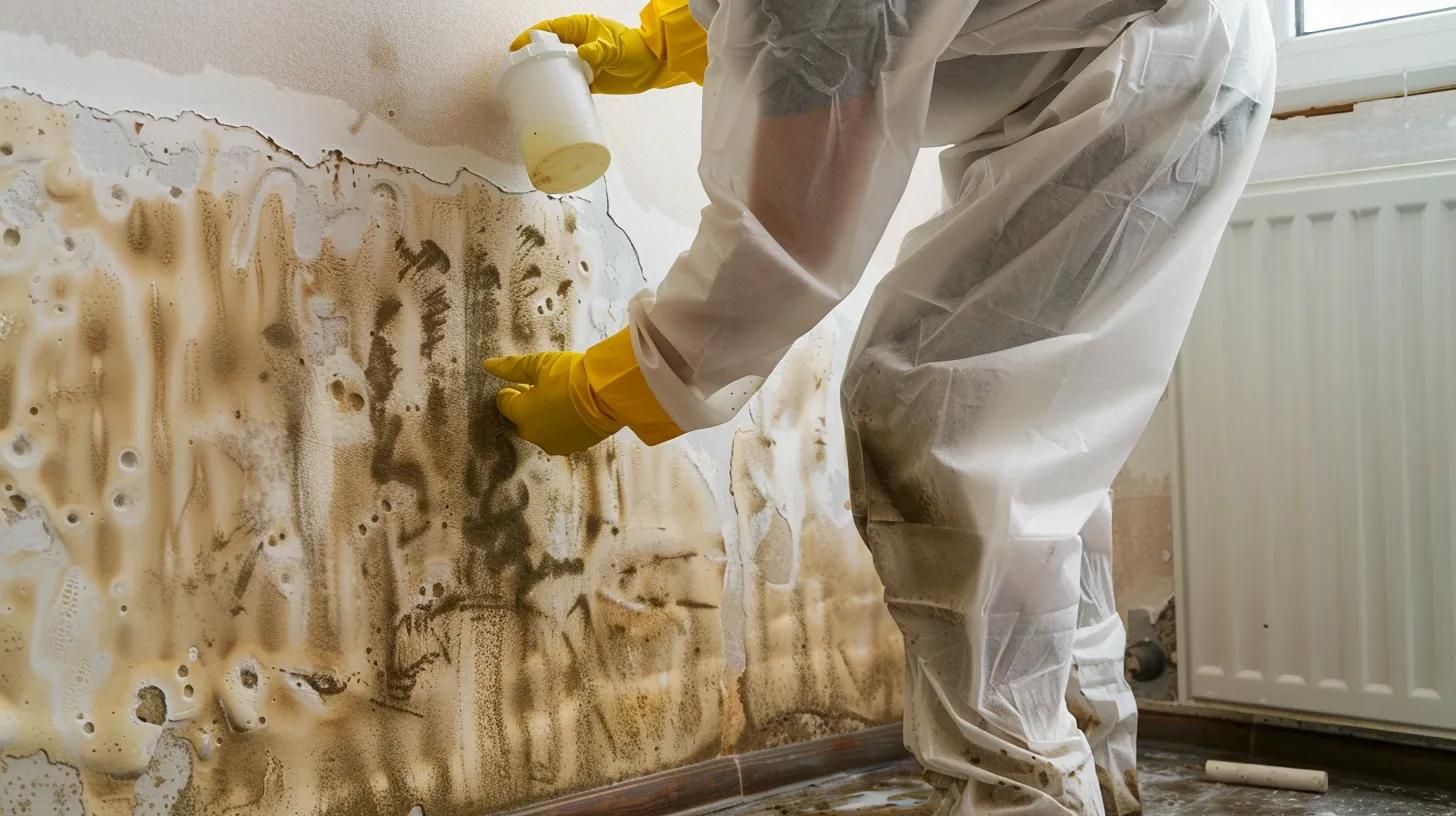
- Tyvek® or similar coveralls to prevent spores from getting on your clothes
Wearing full PPE minimizes exposure risks during containment and cleaning. Properly disposing of or decontaminating your equipment afterward is crucial for your safety and to prevent reintroducing spores into clean areas.
How Should You Ventilate the Area Safely?
Controlled ventilation helps remove contaminated air while preventing the spread of spores. Open a window in the isolated area and place an exhaust fan in the opening to direct air outside. Make sure other windows remain closed to create a one-way airflow. Avoid creating cross-drafts through doors or vents that bypass your containment barriers.
This focused ventilation pushes out stale, spore-filled air and brings in fresh air, improving visibility and reducing humidity. Once the airflow is stable, you can safely assess the mold levels and prepare for cleanup.
After containing the mold outbreak, you’ll need to decide when professional help is necessary to ensure thorough mold assessment and removal.
When Should You Call a Professional Mold Inspection or Remediation Service?
Knowing when mold growth goes beyond what you can handle yourself is key to effective and safe restoration. Small patches, less than 10 square feet, can often be managed by homeowners with the right knowledge, but larger infestations require expert attention to avoid health risks and further property damage. Professionals use advanced equipment and follow strict industry standards, saving you time and protecting your well-being.
Consider this guide for when to call for help:
| Condition | Location | Recommended Action |
|---|---|---|
| Area larger than 10 sq ft | Anywhere | Hire professional remediation services |
| Mold inside HVAC system | Ducts or vents | Schedule professional duct cleaning |
| Persistent musty odor | Hidden spaces (e.g., behind walls) | Conduct moisture mapping and testing |
| Visible water damage | Structural components | Get a comprehensive inspection and repair |
This guide clarifies situations where expert assistance is essential, helping to prevent incomplete removal and future mold growth.
What Mold Sizes and Locations Require Expert Help?
Large mold infestations covering more than 10 square feet, mold found within HVAC systems, and growth behind walls or under floors are typically beyond DIY capabilities. These hidden colonies often reside in drywall cavities or under floor joists, making them difficult to access without specialized tools. Certified mold inspectors use tools like thermal imaging and borescopes to find these concealed areas and recommend a targeted cleanup plan.
Relying on professionals in these situations ensures that all mold is completely removed and prevents it from reappearing in unseen areas, protecting your home’s structure and the health of its occupants.
How Do Health Risks Influence the Decision to Hire Professionals?
People with asthma, allergies, weakened immune systems, or young children are at higher risk from mold exposure, which can cause breathing difficulties, skin irritation, and chronic sinus issues. Professional mold cleanup is more effective at reducing spore counts than DIY methods, offering better protection for vulnerable individuals and preventing severe health complications.
When health is a primary concern, hiring certified experts like those at Mold and Restoration Experts provides peace of mind, knowing that clearance testing will confirm a safe environment.
What Does a Professional Mold Inspection in Tampa Bay Include?
A professional mold inspection by Mold and Restoration Experts involves a thorough visual examination, precise moisture level measurements, air and surface sampling, and infrared scans to detect hidden moisture sources. Inspectors will provide a detailed report that identifies the types of mold found, the extent of the growth, the underlying causes, and recommended steps for remediation.
Their local knowledge of Tampa Bay’s climate, which is prone to humidity and potential water damage from storms, ensures that inspectors consider regional factors. This leads to customized solutions designed to prevent mold from returning.
How Does Mold Remediation Work and What Can You Expect?
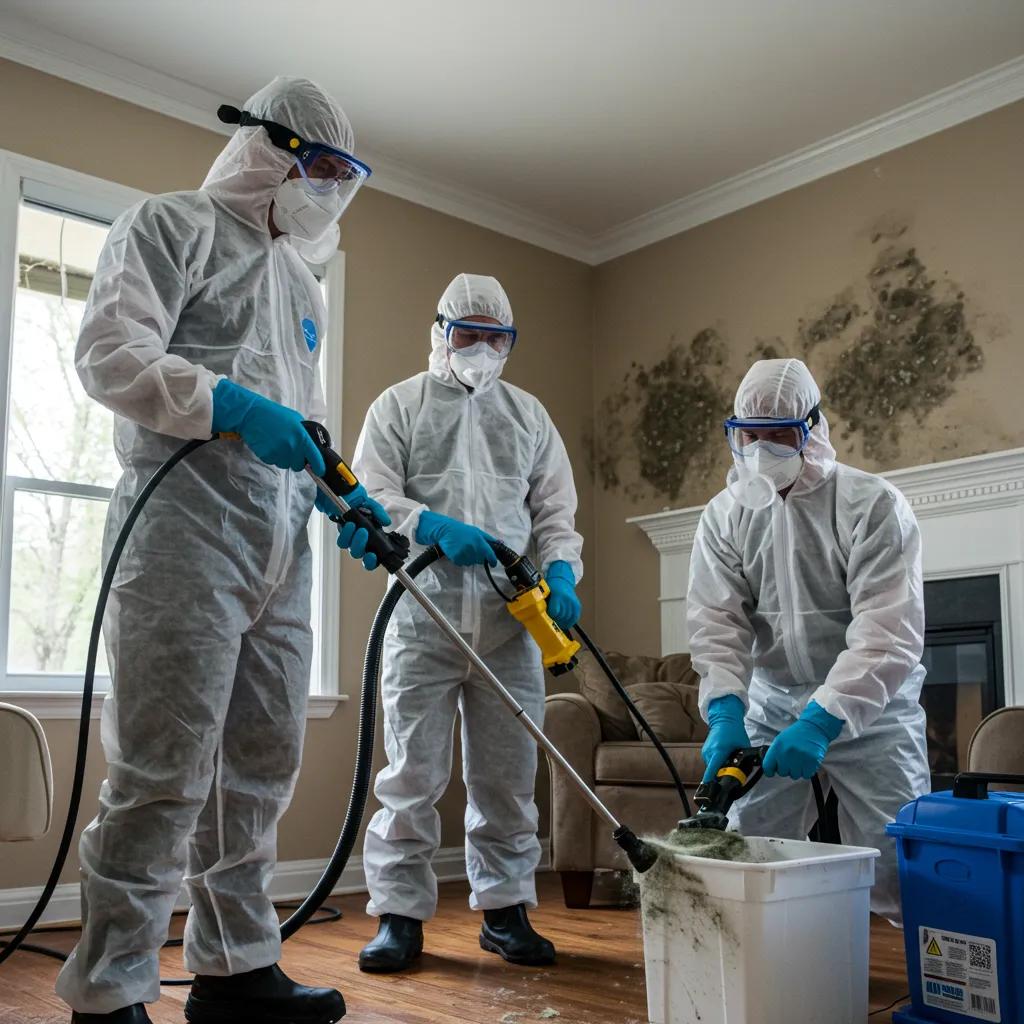
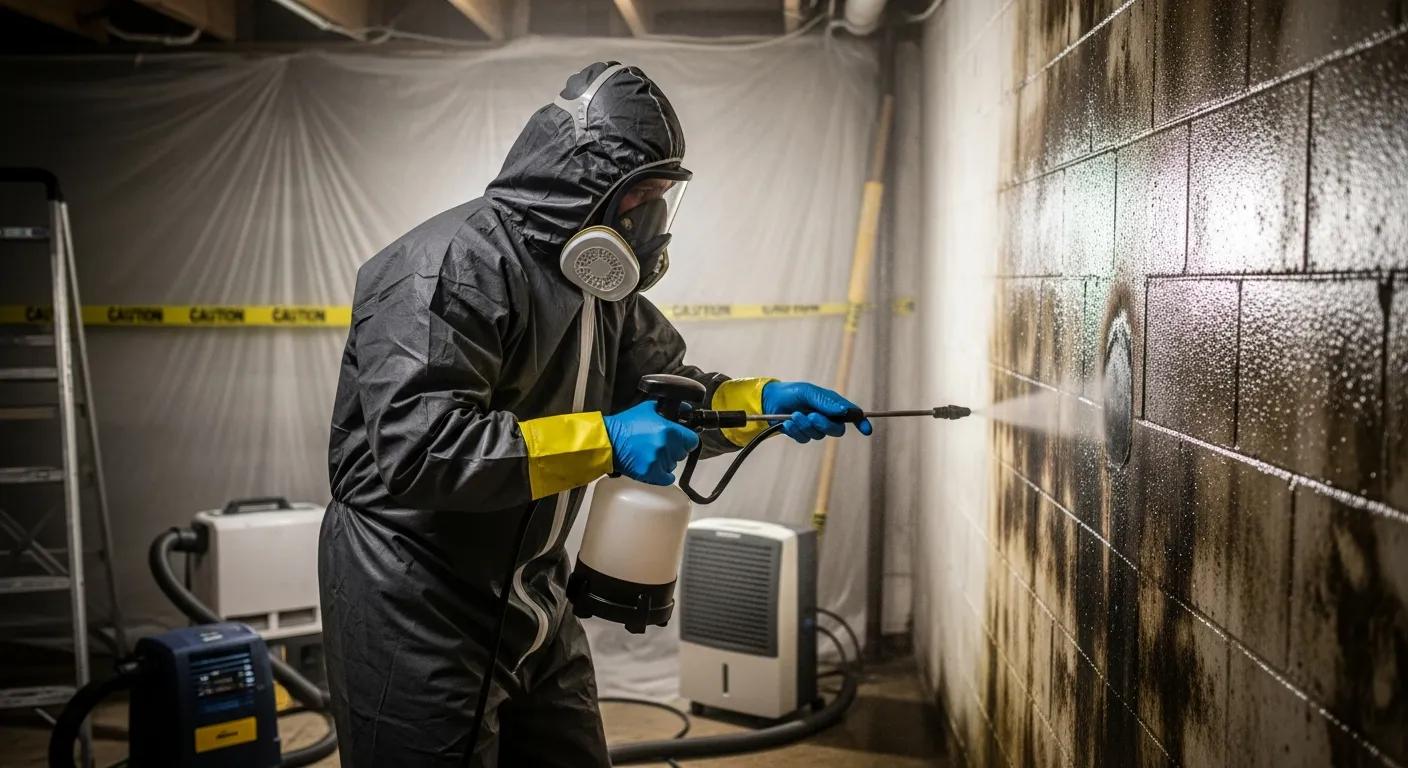
Professional mold remediation involves containing the area, filtering the air, removing contaminated materials, cleaning surfaces, and applying antifungal treatments. Technicians first set up containment barriers and use HEPA filtration to capture airborne spores. They then remove or treat porous materials, scrub non-porous surfaces with specialized cleaning agents, and apply sealants or encapsulants to prevent mold from growing back.
After the cleanup is complete, clearance testing is performed to confirm that spore levels meet industry standards. Mold and Restoration Experts follows a documented, step-by-step process and offers a no-mold guarantee for both homes and businesses in Tampa Bay.
With the cleanup process underway, you’ll need to gather thorough documentation to support your insurance claims and recover restoration costs.
How Can You Document Mold Damage and Navigate Homeowner Insurance Claims?
Keeping accurate records is essential for your insurance company and helps speed up the claims process. Start by taking clear photos of the affected areas from various angles, including close-ups of mold growth and any signs of water damage. Keep dated notes about when you discovered the mold, what actions you took, and any advice you received from professionals.
Organize all your evidence in a digital folder, including inspection reports, estimates for cleanup, and repair invoices. This organized collection of information clearly shows the extent of the damage and justifies the costs of remediation when you discuss coverage with your insurer.
What Evidence Should You Collect for Insurance Purposes?
Gather the following evidence to support your insurance claim:
- High-quality photos of mold growth and any water intrusion points
- Professional inspection reports detailing the mold type and its extent
- Estimates for mold remediation and restoration from certified contractors
- Receipts for any immediate mitigation expenses, such as renting drying equipment
How Do Mold and Water Damage Affect Insurance Coverage?
Most homeowner insurance policies cover mold damage only if it’s caused by a sudden, accidental water event, like a burst pipe or storm damage. Damage from slow leaks or lack of maintenance is usually not covered. Understanding your policy’s wording is important so you can present your claim accurately, highlighting covered events and providing proof of the cause.
If mold resulted from a covered event, your insurer should pay for the cleanup costs under your dwelling or interior water damage coverage. Some policies may have specific riders for mold coverage, so check your policy limits and deductibles before filing a claim.
What Steps Help Expedite Your Mold-Related Insurance Claim?
To help speed up your insurance claim:
- Notify your insurance company about the incident right away
- Submit all your documentation and professional reports
- Ask about mold-specific coverage if you’re unsure about your policy
- Stay in touch with your adjuster and respond to their requests promptly
Being proactive and organized with your evidence can reduce delays and help ensure faster approval for cleanup and repair expenses.
Protecting your home’s integrity also means safeguarding your family from the health effects of mold.
What Are the Health Risks of Mold Exposure and How Can You Protect Your Family?
Exposure to mold can trigger allergic reactions, asthma attacks, and skin irritation within hours or days. Long-term exposure can increase the risk of respiratory infections and sinus problems. Understanding these health impacts highlights the importance of prompt removal and ongoing prevention.
Keeping indoor humidity below 50%, fixing leaks quickly, and ensuring good ventilation can significantly reduce mold growth and protect your family from negative health effects.
What Common Symptoms Are Caused by Mold Exposure?
Symptoms of mold exposure can include:
- Sneezing, stuffy nose, and runny nose
- Coughing, wheezing, and difficulty breathing
- Itchy or red eyes and skin rashes
- Headaches and ongoing sinus infections
Which Populations Are Most Vulnerable to Mold-Related Health Problems?
Children, older adults, pregnant individuals, and anyone with a weakened immune system or chronic breathing issues are more susceptible to mold-related health problems. Infants exposed to mold are significantly more likely to develop asthma, while adults with compromised immune systems may develop serious fungal infections.
Professional mold cleanup effectively reduces indoor spore levels, protecting these vulnerable groups and restoring a safe living environment.
How Quickly Can Mold Spread and Affect Indoor Air Quality?
Mold colonies can start to form within 24 to 48 hours after water damage occurs, quickly growing on materials like drywall and insulation. As they spread, mold spores become airborne, which degrades indoor air quality and can worsen respiratory symptoms.
Prompt detection, containment, and cleanup can stop this growth cycle, restore clean air, and prevent widespread contamination.
Breaking the mold cycle also involves implementing long-term strategies for moisture and humidity control.
How Do You Prevent Future Mold Growth Through Moisture and Humidity Control?
Consistently managing moisture is key to preventing mold from returning. Fix any leaks immediately, ensure proper drainage around your home’s foundation, and check that your roof and window seals are intact. Addressing the root cause of moisture problems stops mold before it starts and protects your property investment.
What Are Effective Ways to Fix Leaks and Address Water Damage?
Repairing leaks promptly prevents mold’s first step: moisture buildup. Inspect plumbing connections, areas behind appliances, and under sinks for any drips or signs of corrosion. Seal leaks in your roof and around windows with weather-resistant materials. Use moisture meters to find hidden damp spots and consider installing mold-resistant drywall in areas prone to moisture.
A thorough approach to water damage ensures that no residual dampness remains to fuel new mold growth, creating a dry, mold-resistant environment.
How Can You Manage Indoor Humidity and Ventilation?
Control indoor humidity by:
- Running dehumidifiers in basements and bathrooms
- Using exhaust fans when showering or cooking
- Keeping HVAC condensate lines clear of obstructions
Aim to keep relative humidity between 30% and 50%. Good airflow from ceiling fans and occasional window opening helps circulate air, further discouraging mold’s preferred environment.
What Regular Maintenance Practices Help Keep Mold Away?
Routine maintenance prevents conditions that allow mold to thrive:
- Clean gutters and downspouts to ensure proper water drainage away from your home
- Replace HVAC filters every three months
- Wipe away condensation from windows and pipe fittings
- Vacuum regularly using a HEPA-filtered vacuum to remove settled spores
Consistent upkeep reduces moisture buildup and the presence of spores, creating a lasting defense against mold growth.
With moisture under control, you can count on Mold and Restoration Experts for emergency assistance when needed.
How Can Mold and Restoration Experts in Tampa Bay Help You with Emergency Mold Cleanup?
When mold requires immediate professional attention, Mold and Restoration Experts provides 24/7 emergency cleanup services to quickly contain and remove contamination. Our certified technicians arrive promptly, equipped with specialized tools to minimize disruption and restore safe living conditions.
Our rapid-response approach, combined with free inspections and estimates, ensures you understand the scope and cost before work begins. Trust Tampa Bay’s local experts to protect your home and health, no matter the situation.
What Are the Benefits of 24/7 Emergency Mold Remediation Services?
Having help available around the clock prevents mold from spreading further, even overnight. Immediate intervention:
- Minimizes structural damage
- Prevents further decline in indoor air quality
- Reduces health risks for occupants
Our fast response highlights Mold and Restoration Experts’ commitment to providing quick, effective solutions that protect your property and give you peace of mind.
How Do Free Mold Inspections and Estimates Work?
Mold and Restoration Experts offers complimentary, no-obligation mold inspections to assess the size of the infestation, identify moisture sources, and recommend the best cleanup steps. Our technicians document their findings using moisture readings and sample analysis, then provide a clear estimate detailing labor, materials, and the project timeline.
What Advanced Tools and Certifications Ensure Effective Mold Removal?
Our certified mold specialists use:
- Infrared cameras and moisture meters to map hidden moisture
- HEPA-filtered air scrubbers and vacuum systems to capture spores
- Specialized treatments and encapsulants to prevent regrowth
We follow industry-standard procedures, including those aligned with IICRC and NORMI guidelines, to ensure thorough removal and provide documented clearance testing. Our confidence in advanced technology and expert training means your home will be restored to a safe, mold-free condition.
Mold and Restoration Experts is your reliable partner for any mold emergency, combining local expertise with certified professional service.
Mold growth requires swift, organized action that balances your efforts with professional guidance. By identifying and documenting early signs, containing the affected area, and knowing when to bring in certified mold inspection and cleanup specialists, you can protect both your property and your health. Proper documentation and communication with your insurer can help you recover costs, while managing humidity and performing regular maintenance can prevent mold from returning. Trust Mold and Restoration Experts for our free inspections, 24/7 emergency response, and advanced cleanup process to restore your home safely and effectively.