
Certified Mold Remediation Contractors: How to Choose the Best
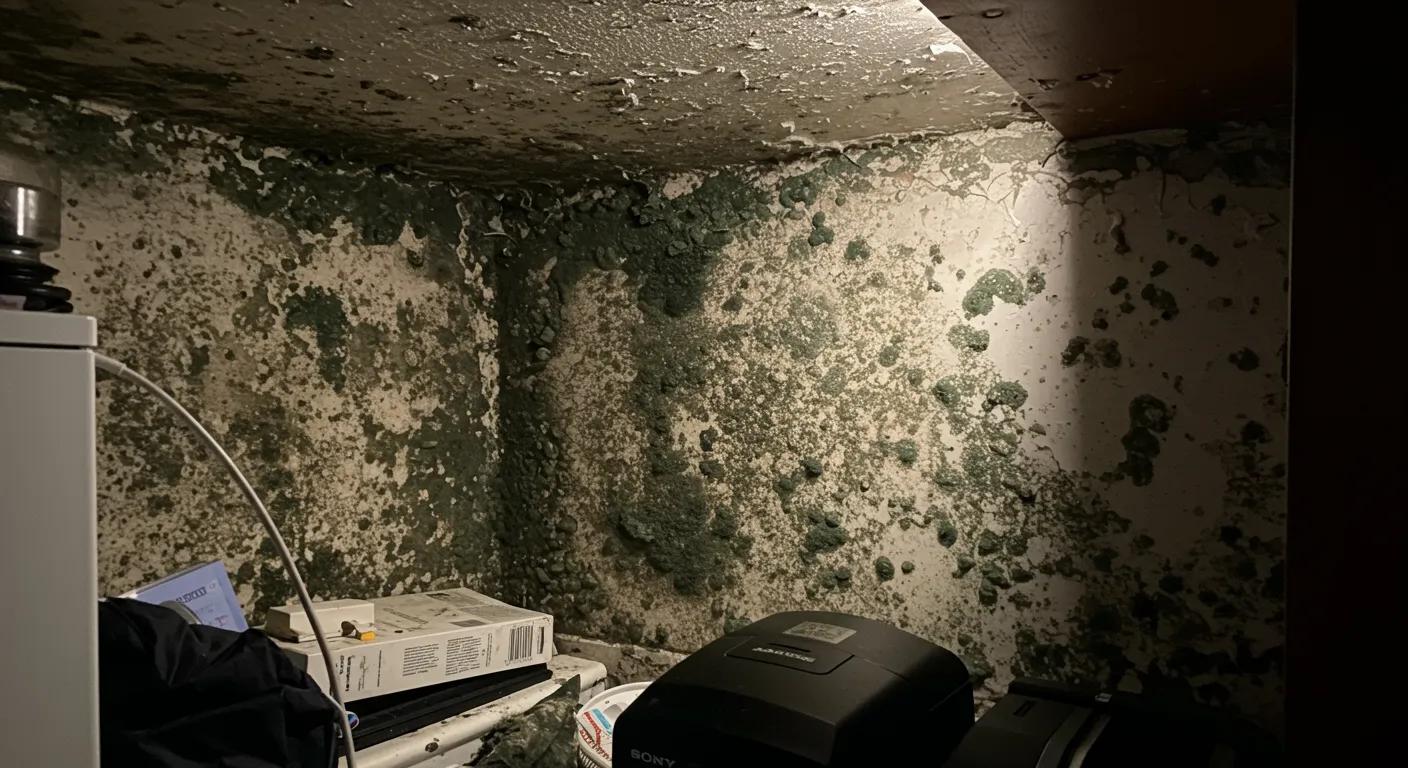
Bringing in uncertified mold remediation contractors can worsen contamination, drive up expenses, and jeopardize your family’s well-being. With over half of U.S. homes showing detectable mold, selecting proven expertise is vital for Tampa Bay homeowners and business owners alike. This guide dives into why certification is crucial, the qualities that guarantee lasting results in a contractor, essential questions for vetting providers, factors influencing local costs, effective long-term prevention strategies, and how Mold and Restoration Experts delivers certified mold inspection and restoration services. You’ll gain insights into IICRC and Florida’s licensing standards, the detailed remediation process, clear estimate practices, moisture control tips, and advanced industry protocols. By the end, you’ll be fully equipped to confidently compare certified mold remediation contractors and understand why Mold and Restoration Experts is your trusted partner for a mold-free property.
Why Certification is Key When Selecting Mold Remediation Contractors
Certification confirms formal training in mold removal standards, ensuring contractors adhere to industry best practices to safeguard health and property. It signifies proficiency in microbial assessment, containment procedures, and post-remediation verification. For Tampa Bay’s consistently humid climate, certified professionals possess the knowledge to tackle hidden mold colonies and underlying moisture issues, significantly reducing the chance of recurrence. Verifying credentials protects homeowners from unlicensed work and potential legal entanglements, while highlighting contractors committed to ethical practices, documented procedures, and dependable outcomes. Understanding certification frameworks is the first step toward choosing a contractor capable of delivering safe, compliant, and superior mold remediation.
What is IICRC Mold Remediation Certification and Why is it Essential?
IICRC certification, overseen by the Institute of Inspection, Cleaning and Restoration Certification, establishes global benchmarks for mold remediation. Technicians holding AMRT (Applied Microbial Remediation Technician) and MRS (Mold Remediation Specialist) designations complete intensive coursework covering S520 guidelines, microbial sampling techniques, containment design, and safety protocols. This official recognition guarantees adherence to scientifically proven methods, from HEPA filtration systems to effective antimicrobial treatments. Engaging an IICRC-certified professional ensures specialized training that minimizes cross-contamination, protects indoor air quality, and aligns with recognized best practices for enduring mold control.
What Are Florida’s Licensing Requirements for Mold Remediators?

Florida mandates that individuals, not companies, obtain mold assessor or remediator licensure through the Department of Business and Professional Regulation. Applicants must complete approved training hours, pass state examinations, and maintain ongoing continuing education to stay current with evolving regulations. Proper licensing confirms a technician’s legal authorization to conduct mold assessments and remediation, and it requires proof of workers’ compensation, general liability, pollution liability, and auto insurance. Confirming active licenses protects property owners from unqualified practitioners and ensures adherence to state-mandated environmental protection standards.
How Does Certification Build Trust and Ensure Quality Mold Remediation?
Certification demonstrates clear expertise by linking technicians to enforceable codes of conduct and standardized procedures. Certified contractors are required to follow documented work plans, utilize validated containment and air-handling techniques, and perform post-remediation clearance testing. This structured accountability minimizes human error, showcases ethical commitment, and provides homeowners with written certificates of completion. Relying on accredited professionals instills confidence that every remediation step—from the initial inspection to the final air sampling—is measured against recognized benchmarks for safety, effectiveness, and client satisfaction.
What Key Qualities Should You Look for in a Top Mold Remediation Contractor?
Choosing a premier mold remediation contractor depends on evaluating local experience, process transparency, communication standards, and robust insurance coverage. A qualified provider in Tampa Bay must understand regional humidity patterns and common mold species, clearly explain each remediation phase, provide written work plans, and back their services with warranties and insurance. These qualities ensure your property receives thorough attention, from identifying hidden mold to restoring affected materials and preventing future growth. Prioritizing contractors who exhibit these attributes simplifies your decision-making and secures reliable, compliant results.
How Does Local Experience Impact Mold Remediation in Tampa Bay’s Climate?
Contractors with extensive experience in Tampa Bay understand that high humidity encourages specific molds like Cladosporium and Aspergillus, necessitating targeted containment strategies and customized drying protocols. Local experts anticipate common moisture sources—such as gulf breezes infiltrating crawl spaces or monsoon-driven roof leaks—and adapt remediation plans accordingly. This practical knowledge shortens remediation timelines, prevents recontamination, and aligns cleanup tactics with seasonal weather patterns. Trusting a local specialist ensures every step addresses the unique environmental factors that fuel mold growth in Florida homes and businesses.
What Does a Comprehensive Mold Remediation Process Include?
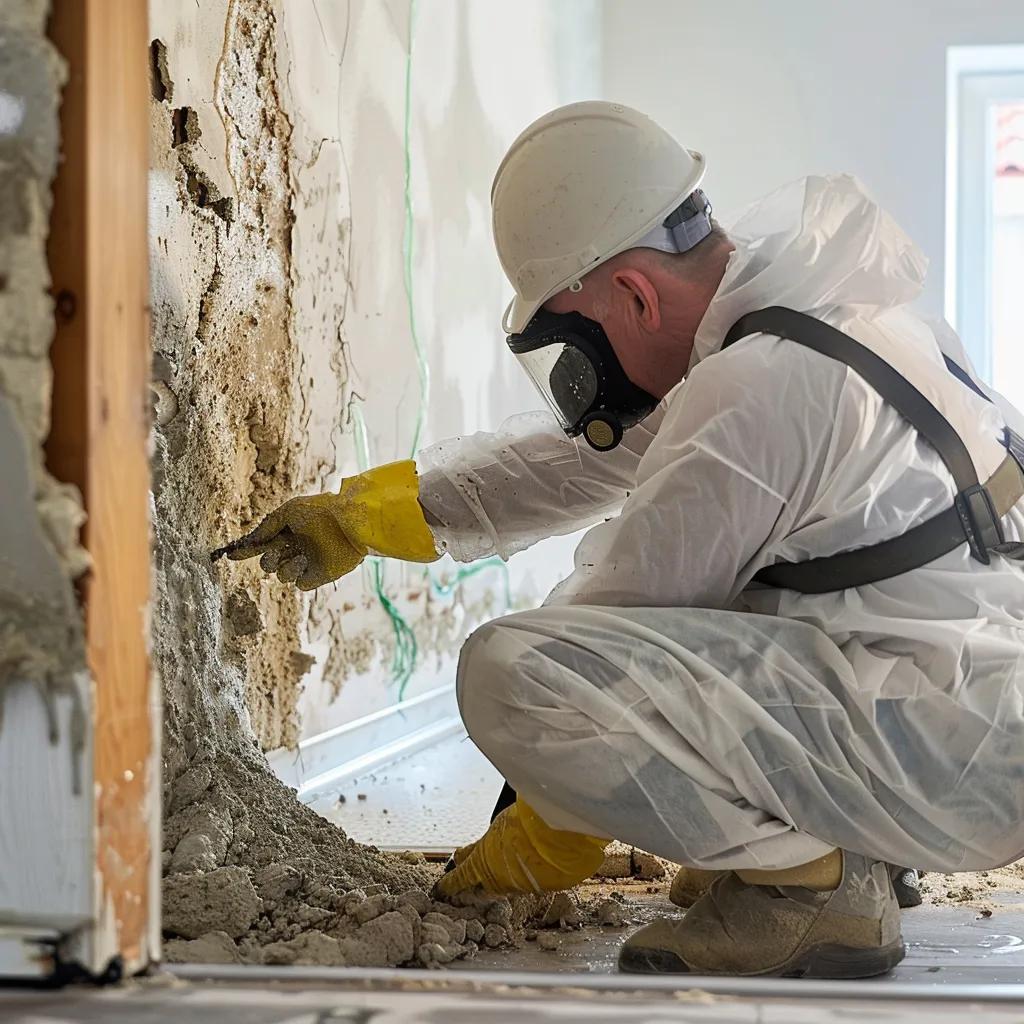
A complete remediation process involves systematic assessment, controlled containment, air purification, targeted removal, surface cleaning, and structural restoration. The following table details each critical element and its purpose:
Why Is Clear Communication and Documentation Important?
Clear communication ensures homeowner expectations align with contractor actions and establishes accountability. Written estimates should meticulously detail the scope, timeline, materials, and remediation steps, while regular progress updates address any evolving site conditions. Post-remediation reports—including clearance test results and certificates of completion—provide concrete evidence of work quality. Documentation serves as a vital reference for insurance claims, supports warranty agreements, and ensures all parties have a precise understanding of remediation outcomes and responsibilities.
How Do Insurance Coverage and Service Warranties Protect You?
Comprehensive insurance and warranties provide crucial protection for property owners against unexpected liabilities and potential remobilization expenses. Key protections include:
- General liability insurance covering accidental property damage
- Pollution liability insurance addressing environmental contamination incidents
- Workers’ compensation for injuries sustained by on-site personnel
- Warranty agreements guaranteeing complimentary re-inspection or re-remediation if mold reappears within a specified timeframe
These coverages establish financial safety nets, reinforce contractor accountability, and offer peace of mind, assuring you that certified mold remediation contractors stand fully behind their work.
What Questions Should You Ask Before Hiring a Certified Mold Remediation Company?
Before engaging a contractor, asking specific questions will reveal their adherence to certification standards, the rigor of their processes, and their post-service support. Seek detailed answers regarding credentials, containment methods, warranty terms, and assistance with insurance claims to objectively compare providers. This systematic vetting process minimizes the risk of substandard work and aligns expectations concerning cost, timing, and final verification.
Are Your Technicians IICRC Certified and Florida Licensed?
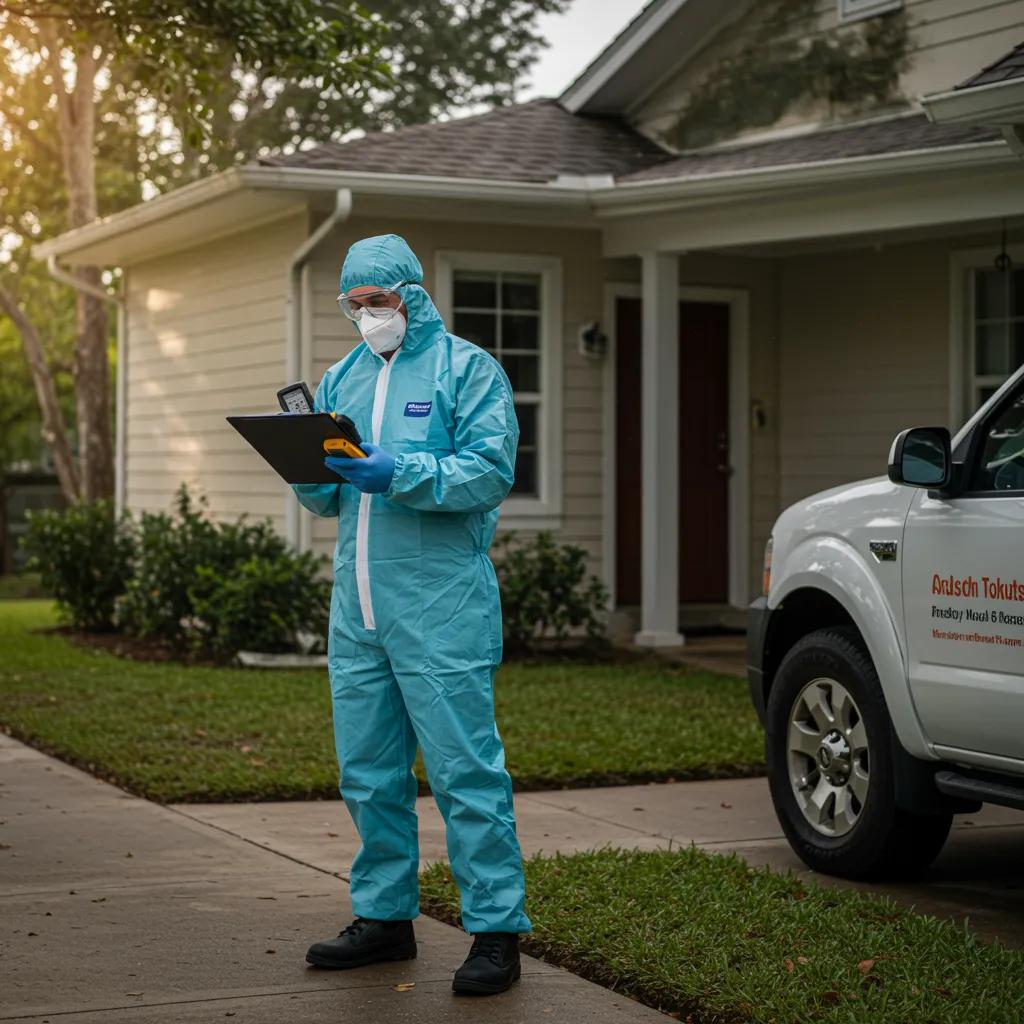
Qualified technicians will hold IICRC credentials (AMRT or MRS) and possess current Florida remediator or assessor licenses issued by the Department of Business and Professional Regulation. Request to see proof of their certification cards and license numbers. Confirm that every crew member has documented training in S520 protocols, safety procedures, and biohazard handling. Ensuring both certifications and licensing prevents unqualified individuals from performing mold remediation on your property.
What Mold Containment and Removal Methods Do You Use?
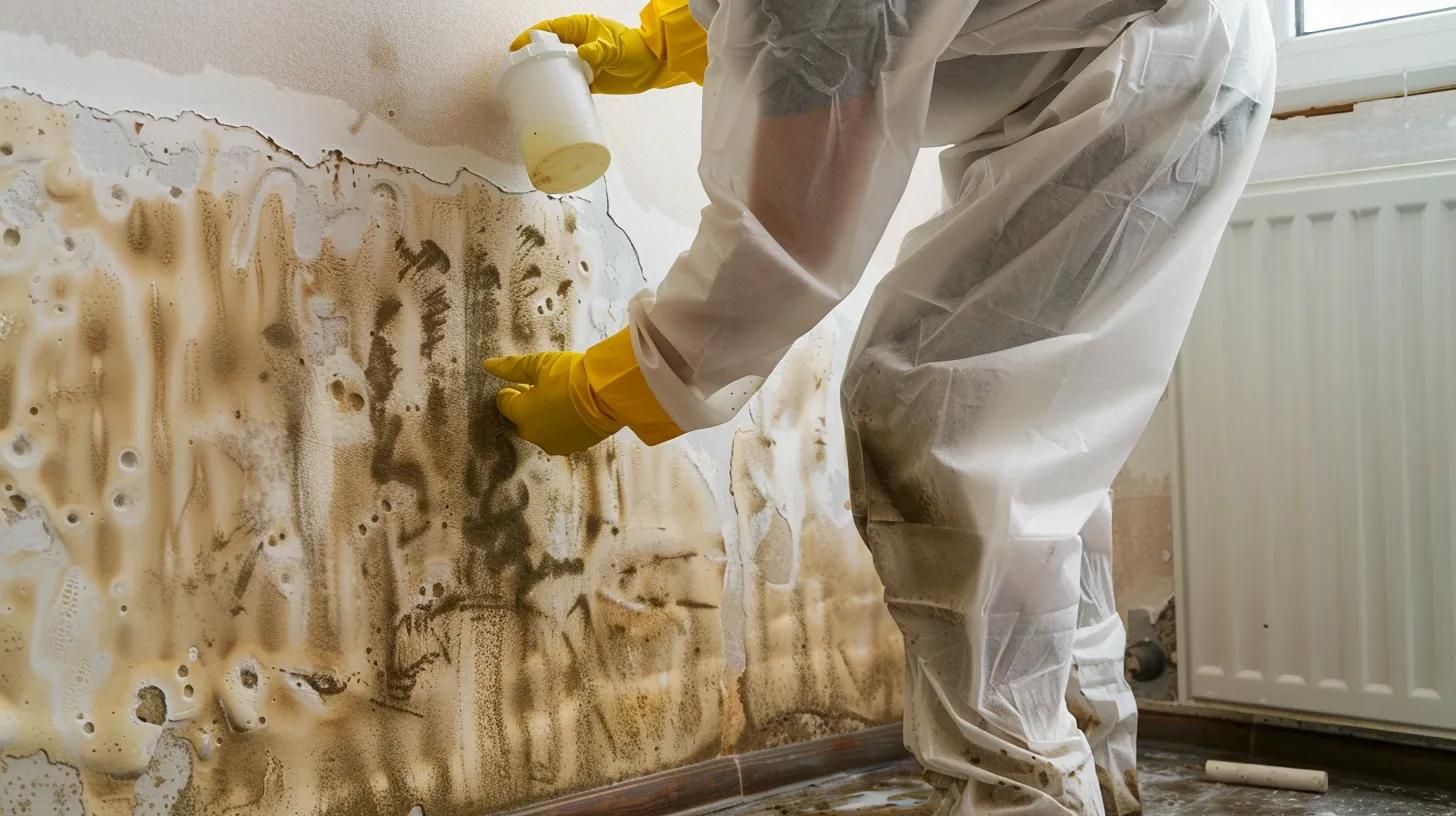
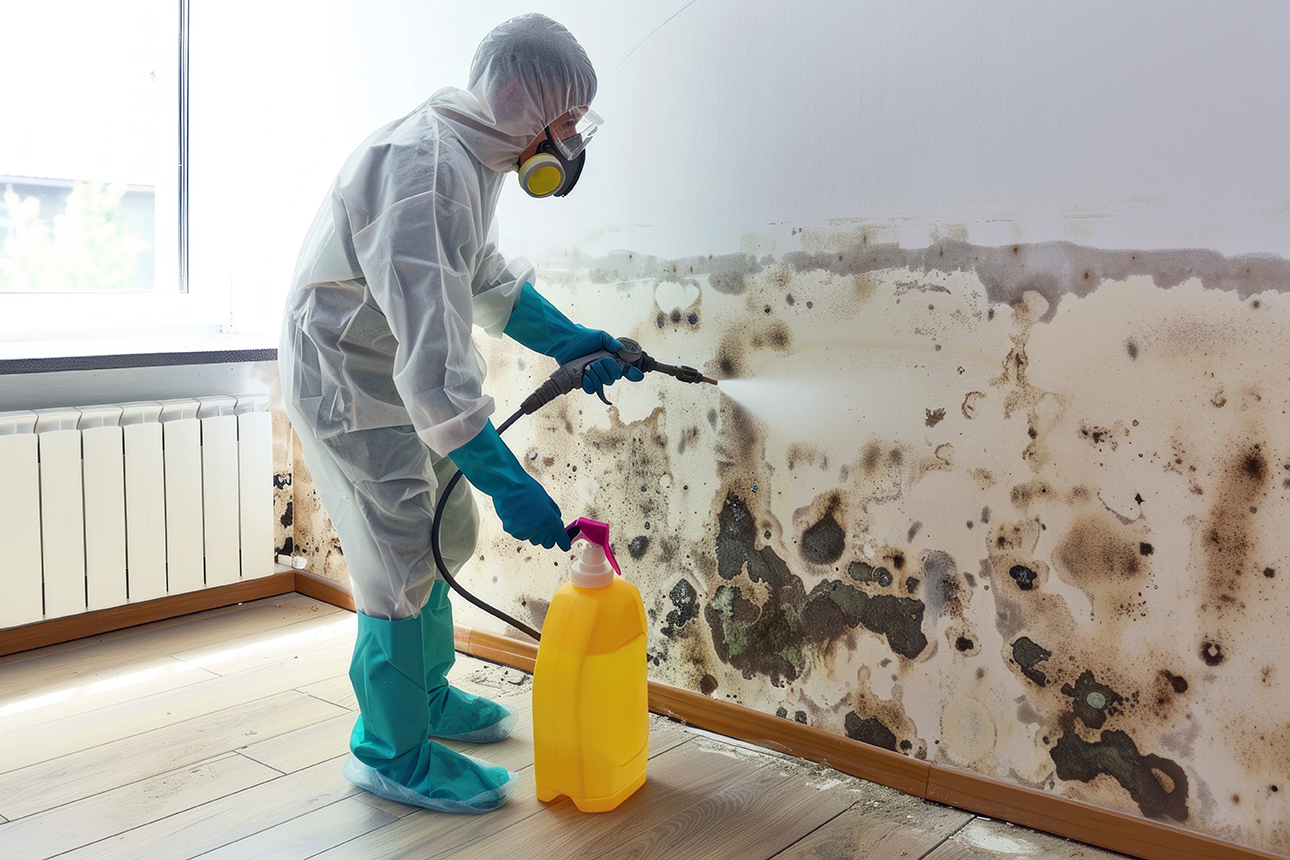
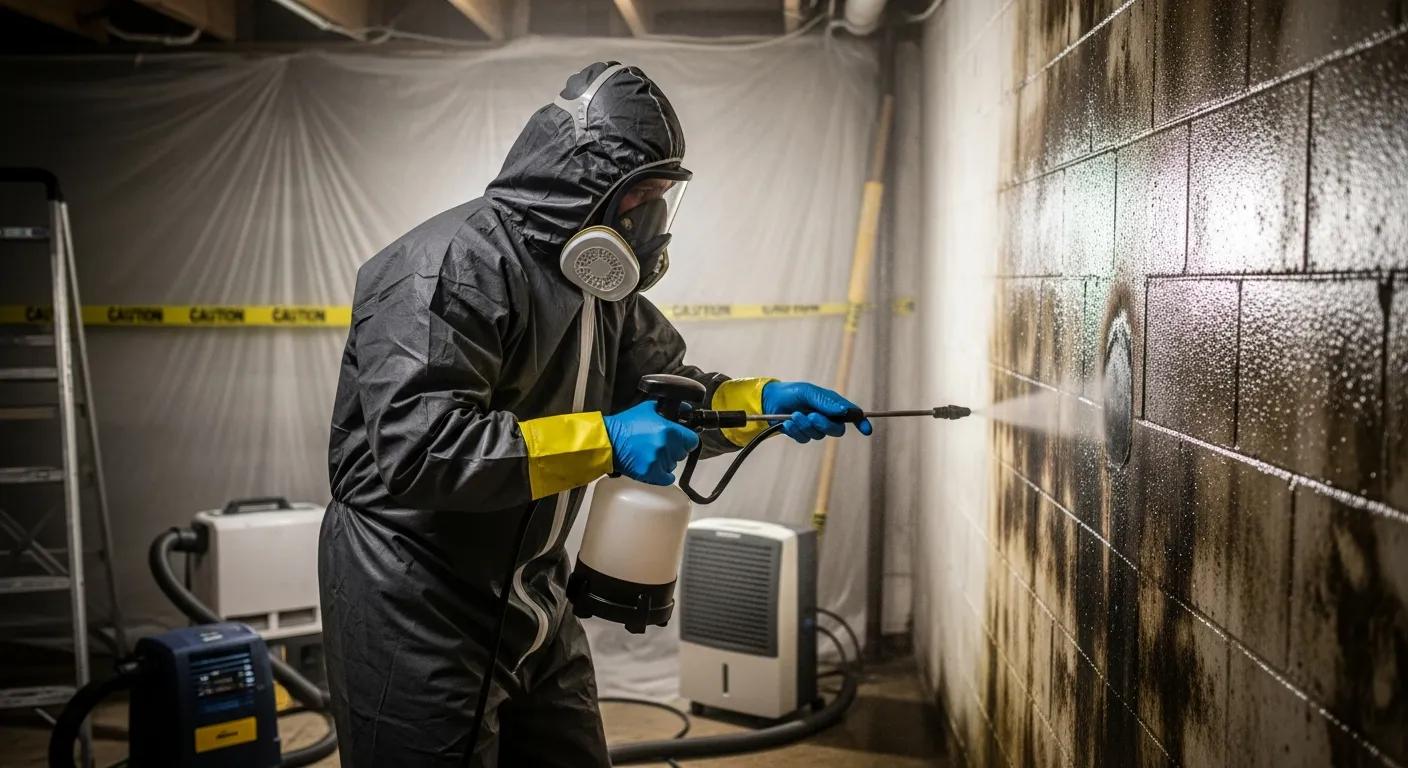
Look for contractors who utilize negative-pressure HEPA filtration units, sealed plastic barrier enclosures, and airlocks to isolate work zones effectively. Removal should involve mechanical scrubbing of porous surfaces, HEPA-vacuuming, and the application of EPA-registered antimicrobial treatments. Inquiring about these methods clarifies whether technicians follow validated protocols designed to prevent spore migration, maintain indoor air quality, and ensure thorough mold removal.
Do You Provide a Warranty and Post-Remediation Support?
A robust warranty typically covers return visits if mold reappears and includes re-testing or clearance sampling. Post-remediation support may encompass humidity monitoring, follow-up moisture scans, and recommendations for ongoing maintenance. Understanding the scope and duration of the warranty ensures long-term protection and confirms the contractor’s confidence in their remediation outcomes.
How Do You Handle Insurance Claims for Mold Damage?
Professional contractors often prepare detailed documentation—including scope of work, photographs, and cost breakdowns—and liaise with adjusters to facilitate claim approval. They may provide standardized protocols and test results to substantiate coverage requirements. Clarifying this process helps homeowners minimize out-of-pocket expenses and ensures the remediation aligns with insurer expectations.
How Much Does Mold Remediation Cost in Tampa Bay, FL?
The cost of mold remediation fluctuates based on project complexity, the materials affected, and the necessary safety precautions. Understanding the pricing factors and the contractor’s approach to transparent estimates will help you budget accurately and avoid unexpected charges. Investing in certified mold remediation may involve higher initial costs, but it significantly reduces the risks associated with inadequate cleanup and future mold recurrence, ultimately offering superior long-term value.
What Factors Influence the Cost of Mold Inspection and Remediation?
Key cost drivers include:
- Scope of Infestation: The square footage affected and the depth of mold growth
- Severity Level: Distinguishing between visible mold and hidden colonies behind walls
- Remediation Approach: The containment class required and the necessary protective equipment
- Moisture Source: The complexity involved in repairing leaks or drying structures
- Material Disposal: The safe removal and disposal of contaminated items
Understanding these elements empowers you to compare estimates more effectively and anticipate potential additional fees for specialized remediation needs.
How Can You Get Transparent and Detailed Estimates?
Request written quotes that include:
- Itemized, line-by-line pricing for inspection, containment, removal, cleaning, and restoration services
- Clear definitions of any exclusions or conditional services
- Estimated timelines for each stage of the remediation process
- Disclosure of any required permits or local code compliance fees
Detailed estimates foster accountability from the vendor and facilitate straightforward comparisons, minimizing the risk of late-stage change orders.
Are There Affordable Options Without Compromising Quality?
Balancing your budget with quality service involves:
- Prioritizing certified contractors who demonstrate process efficiencies
- Leveraging free on-site consultations to obtain multiple competitive bids
- Exploring payment plan options for extensive projects
- Evaluating bundled inspection and restoration packages for potential cost savings
Affordable solutions become attainable by selecting providers who streamline their workflows, minimize waste, and apply proven protocols without compromising safety or certification standards.
How Can You Prevent Mold Recurrence After Professional Remediation?
Effective mold prevention relies on consistent moisture management, adequate ventilation, and routine property upkeep. A comprehensive post-remediation plan helps prevent spore reintroduction, protects structural materials, and maintains healthy indoor air quality. Integrating moisture controls and adopting beneficial habit changes ensures your remediation investment provides lasting protection.
What Role Does Moisture Control Play in Mold Prevention?
Moisture control is fundamental to preventing mold growth. Identifying and repairing leaks promptly, installing dehumidifiers set to maintain relative humidity below 60 percent, and ensuring exterior landscapes slope away from foundations are crucial steps to prevent water intrusion. Consistently monitoring moisture levels in crawl spaces and attics will halt mold spores from establishing colonies. By addressing moisture at its source, you disrupt the biological conditions that allow mold to thrive.
How Does Proper Ventilation Reduce Mold Growth Risks?
Adequate airflow effectively dissipates moisture-laden air and prevents condensation from forming on surfaces. Installing exhaust fans in bathrooms and kitchens, ensuring HVAC systems circulate fresh air, and opening windows during dry periods help maintain balanced humidity levels. Continuous ventilation reduces stagnant pockets of warm, moist air where mold spores tend to accumulate, thereby interrupting the essential conditions for microbial proliferation.
What Maintenance Practices Help Keep Mold Away?
Regular property maintenance helps sustain conditions unfavorable to mold growth. Implement these practices:
- Inspect plumbing fixtures and HVAC drip pans monthly for any signs of leaks or standing water
- Clean gutters and downspouts regularly to prevent water from pooling near your home’s foundation
- Wipe down shower tiles and window sills with antifungal cleaners
- Replace weather-stripping around doors and windows to eliminate drafts and potential moisture entry points
Consistent upkeep eliminates hidden moisture risks and preserves an environment that is hostile to mold.
Why Choose Mold and Restoration Experts as Your Certified Mold Remediation Partner?
Mold and Restoration Experts combines top-tier IICRC certifications, the dedication of a family-owned business, and transparent service models to deliver trusted mold remediation throughout Tampa Bay. Our Clearwater-based team offers complimentary on-site consultations and estimates, guiding homeowners through every stage of the remediation process. With a proven history of comprehensive restoration, we ensure properties are safe, clean, and fully restored to their pre-mold condition.
How Do Our IICRC-Certified Technicians Ensure Quality and Safety?
Our technicians hold AMRT and MRS credentials, demonstrating mastery of S520 standards for mold assessment, containment design, and clearance testing. Every remediation project is supervised by certified specialists who implement negative-pressure barriers, HEPA filtration, and validated antimicrobial protocols. This structured adherence to recognized guidelines guarantees safe, effective remediation and measurable improvements in indoor air quality.
What Makes Our Family-Owned Business Unique in Tampa Bay?
As a family-owned operation deeply rooted in Clearwater, we prioritize personalized service, rapid response times, and open communication. Local leadership allows us to adapt quickly to seasonal weather challenges, maintain direct accountability, and invest in building long-term client relationships. Our community focus ensures every remediation plan addresses Tampa Bay’s unique humidity-driven mold issues with dedicated care and commitment.
How Do We Support Clients with Free Consultations and Transparent Estimates?
We provide complimentary on-site mold inspections and detailed scope summaries, allowing homeowners to explore their options without any obligation. Our estimates clearly outline every remediation step, material, and cost component, fostering trust and eliminating surprise fees. Ongoing updates and post-remediation reports maintain clarity, empowering property owners to make well-informed decisions.
What Recent Tampa Bay Case Studies Demonstrate Our Success?
In Clearwater, a historic bungalow with hidden attic mold required specialized containment and structural repairs, resulting in clearance testing 98 percent below health thresholds. A commercial tenant in Pinellas County experienced recurring moisture intrusion; our integrated leak repair and microbial remediation plan successfully prevented further damage for two consecutive rainy seasons. These local successes highlight our certified approach and reinforce our reputation for dependable, lasting restoration.
How Do Certified Mold Remediation Contractors Integrate Advanced Technology and Industry Standards?
Leading contractors utilize sophisticated equipment and adhere to evolving standards to maximize remediation efficiency and ensure compliance. Advanced moisture meters, infrared imaging, and HEPA-powered air scrubbers revolutionize detection and cleanup, while protocols like IICRC S520 guide every procedural step. Staying current with Florida licensing enforcement ensures certified professionals meet heightened regulatory expectations for safety and accountability.
What Advanced Equipment and Techniques Are Used in Mold Removal?
Top-tier contractors employ:
- Infrared thermal cameras to detect hidden moisture behind walls and ceilings
- HEPA air scrubbers and negative-pressure units to capture 99.97% of airborne spores
- Antimicrobial foggers for comprehensive surface decontamination
- Drying chambers and desiccant dehumidifiers to accelerate moisture removal from structures
How Do IICRC S520 Standards Guide the Remediation Process?
IICRC S520 provides a structured framework encompassing inspection, remediation protocols, documentation, and post-remediation verification. Contractors trained in S520 conduct thorough risk assessments, classify contamination levels, design effective containment strategies, and perform clearance sampling. This standardized approach ensures consistency, minimizes liability, and aligns remediation efforts with scientifically validated practices.
How Does Florida Licensing Enforcement Impact Contractor Selection?
Florida’s emphasis on individual licensure and insurance verification significantly enhances accountability for mold assessors and remediators. Enforcement of certification requirements reduces unlicensed activity and protects property owners from potential liability. Contractors who comply with Florida DBPR regulations demonstrate legal authority, ethical conduct, and a commitment to public health standards, making them the preferred choice for responsible mold remediation.
Mold remediation demands certified expertise, transparent processes, and advanced methods specifically suited to Tampa Bay’s humid environment. Selecting IICRC-certified and Florida-licensed professionals guarantees adherence to industry standards, systematic remediation, and effective long-term prevention. By asking pertinent questions, comparing detailed estimates, and prioritizing local experience, homeowners can secure high-quality results. Mold and Restoration Experts combines the dedication of a family-owned business, complimentary consultations, and proven case studies to deliver comprehensive mold inspection and restoration services. Choose certified mold remediation contractors who follow recognized protocols, invest in cutting-edge equipment, and back their work with robust warranties for a safer, mold-free living or working space.
Frequently Asked Questions (FAQs):
Q. What are the signs of mold growth in a home?
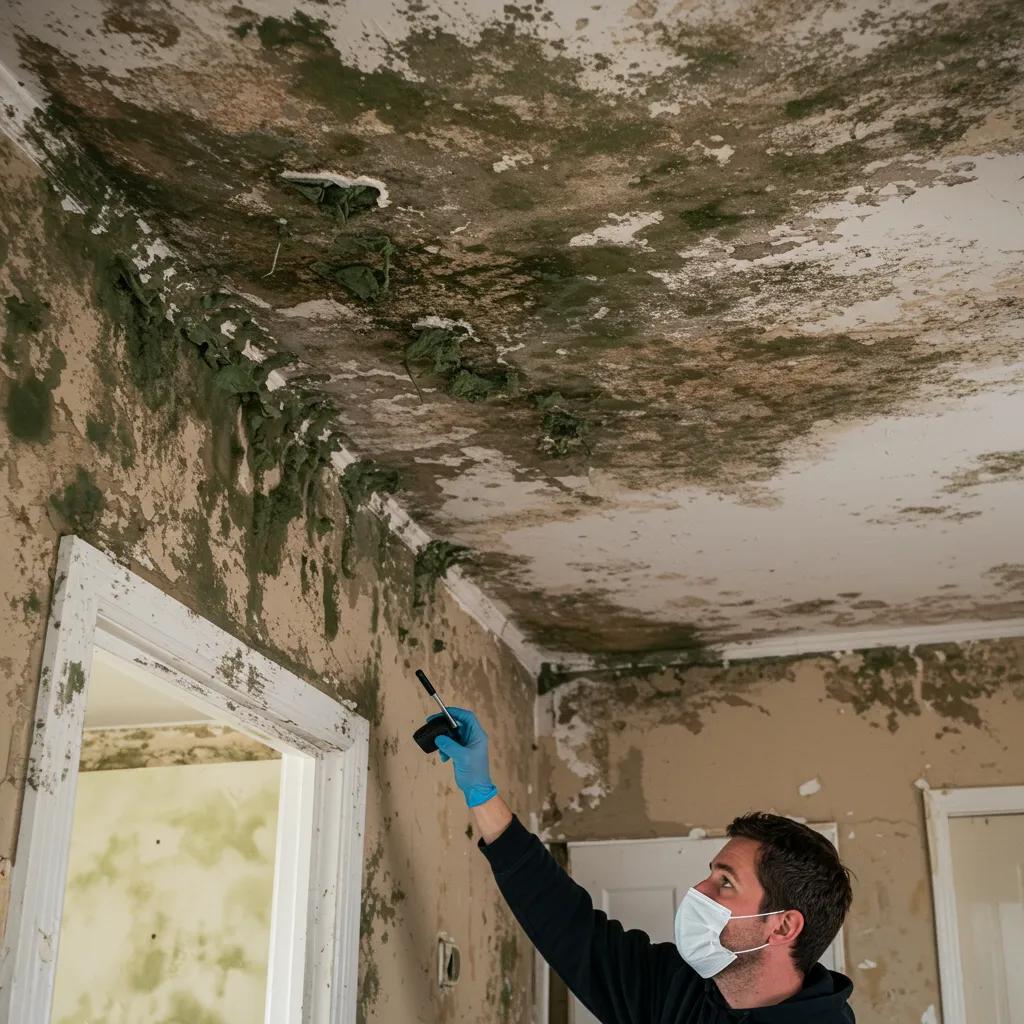
Common indicators of mold growth include visible mold patches, a persistent musty odor, and water stains appearing on walls or ceilings. Homeowners might also experience heightened allergy symptoms, such as sneezing, coughing, or skin irritation. If you notice condensation on windows or experience unexplained humidity levels, these can also signal the presence of mold. Regular inspections, particularly in damp areas like basements and bathrooms, can help detect mold early before it escalates into a larger problem.
Q. How long does the mold remediation process typically take?
The duration of the mold remediation process can vary considerably depending on the extent of the infestation and the size of the affected area. Generally, a small to moderate mold remediation project might take between one to three days. However, larger infestations or complex cases requiring structural repairs can extend the timeline to a week or more. A thorough assessment by a certified contractor will provide a more precise estimate based on the specific conditions of your property.
Q. Can I perform mold remediation myself?
While minor mold issues can sometimes be addressed by homeowners using appropriate cleaning methods, it is generally not recommended to tackle significant mold infestations without professional assistance. DIY remediation efforts can lead to incomplete removal, potential health risks, and further contamination of your home. Certified mold remediation contractors possess the specialized training, equipment, and expertise to safely and effectively eliminate mold while preventing its return. For extensive mold problems, engaging a professional is the safest course of action.
Q. What should I do if I suspect mold in my home?
If you suspect mold in your home, the initial step is to limit exposure by avoiding the affected area. Subsequently, contact a certified mold remediation contractor for a professional assessment. They can conduct thorough inspections, identify the type and extent of the mold, and recommend the most suitable remediation strategies. It is crucial to act promptly, as mold can spread rapidly and pose significant health risks if left untreated.
Q. How can I ensure my home remains mold-free after remediation?
To maintain a mold-free environment following remediation, focus on consistent moisture control and ensuring adequate ventilation. Regularly inspect for any leaks, utilize dehumidifiers in damp areas, and guarantee sufficient airflow throughout your home. Routine maintenance, such as cleaning gutters and servicing HVAC systems, can also play a vital role in preventing mold growth. Furthermore, consider implementing a regular inspection schedule to catch any potential issues early before they become serious.
Q. What are the health risks associated with mold exposure?
Mold exposure can lead to a range of health issues, particularly for individuals with allergies, asthma, or compromised immune systems. Common symptoms include respiratory difficulties, skin irritation, headaches, and fatigue. Certain molds produce mycotoxins, which can result in more severe health effects. Prolonged exposure may contribute to chronic respiratory conditions or other serious health concerns. It is essential to address mold problems promptly to minimize potential health risks.